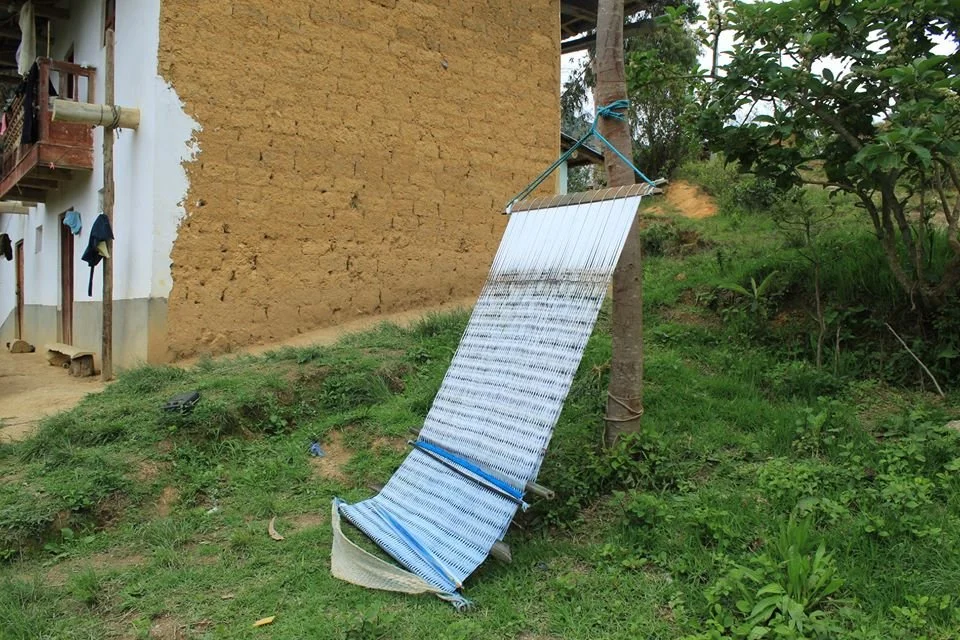
Backed by ZHdK in collaboration with the talented Peruvian weaver associations ASAMCEI (Incahuasi) and Panón Tacabambino (Tacabamba).
NI
Weaved tales from around the globe
Systemic Co-Creation & Design Ethnography
A methodological framework for deconstructing post-colonial power dynamics within the textile value chain.
Ni: the sea (Mochic).
The Framework
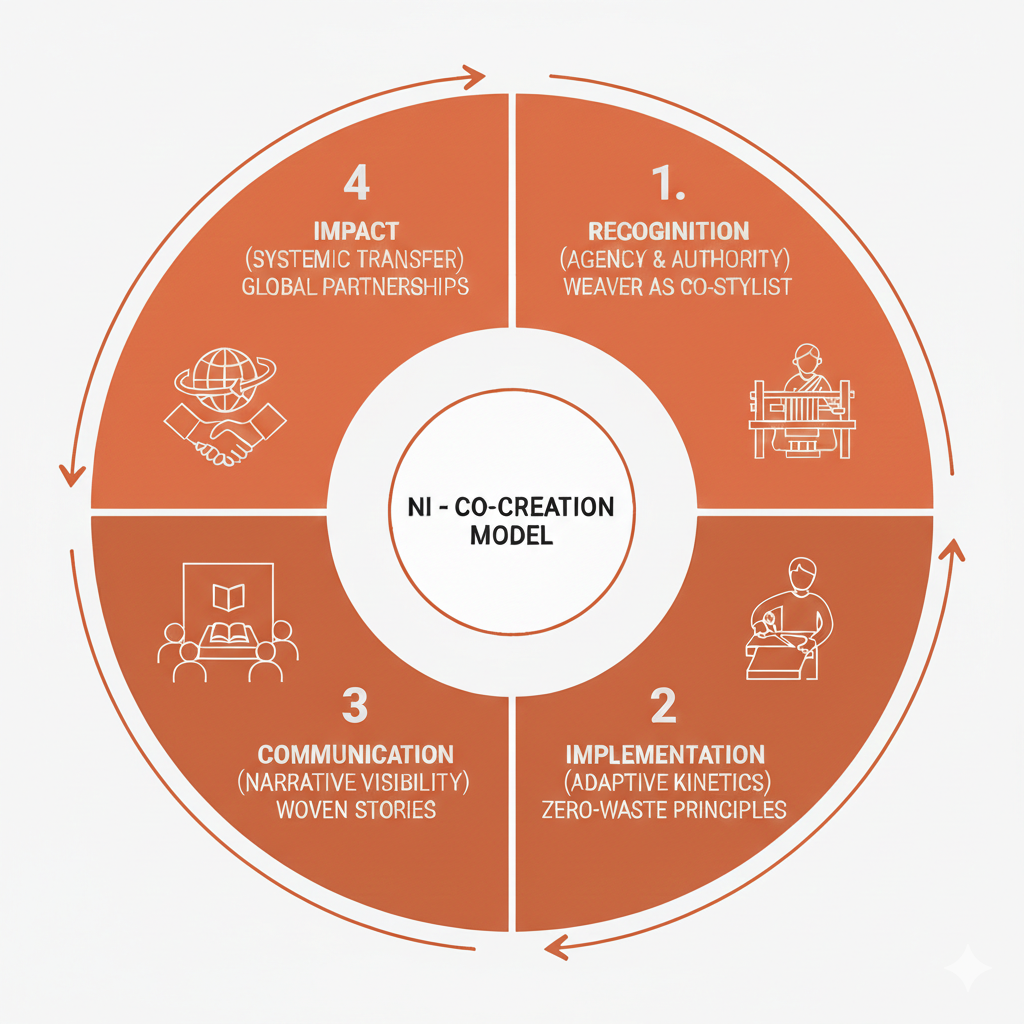
NI, initiated as a research project within the Master of Arts framework at the Zurich University of the Arts, ZHdK is a validated co-creation model designed to transform collaboration with indigenous communities.
It shifts the paradigm from a production-oriented logic into a partnership of shared creative authorship. While developed under the umbrella of the consultancy Toqapu, NI stands as an independent methodological blueprint for ethical design, materialised as a garment design line.
Research & Innovation
Adaptive Kinetic Construction
The scientific foundation of NI is built upon a critique of material dispossession. Conventional design processes often treat textile heritage merely as raw material.
NI intervenes through a technical evolution:
Building upon Kinetic Garment Construction (after Rickard Lindqvist’ Phd Thesis), I developed an adaptive method specifically for traditionally hand-woven textiles. Due to the limiting situation caused by COVID19, I decided to try a the digital pre-production method. With the help of the digital fashion design expert, Taisia Karpova we applied 3D virtual fashion design. This is how the weaving experts Ana Cecilia Manayay and Laura Sanchez collaborated remotely in the virtual implementation of their hand weaved textiles providing photos and meanwhile learning the basics of visual fashion design, see images on the left of the case with Laura Sanchez and further below for the case with Ana Cecilia Manayay.
This technical innovation ensures:
Material Integrity:
Safeguarding the fixed selvages of backstrap-loomed fabrics.Cultural Ethics:
A minimal-invasive cutting technique that respects months of manual craftsmanship.Zero-Waste:
Deriving garment geometry directly from the loom’s logic.
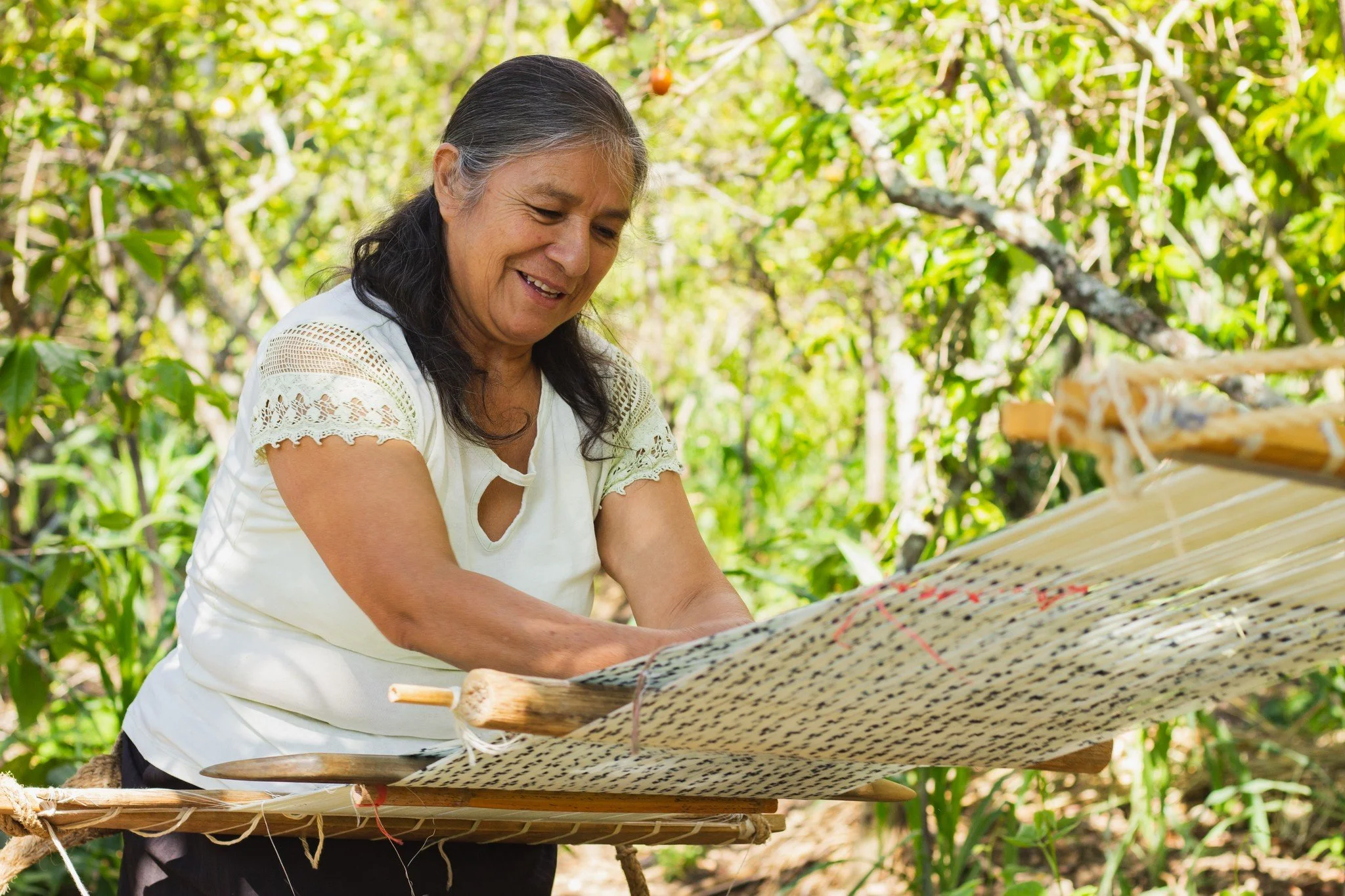
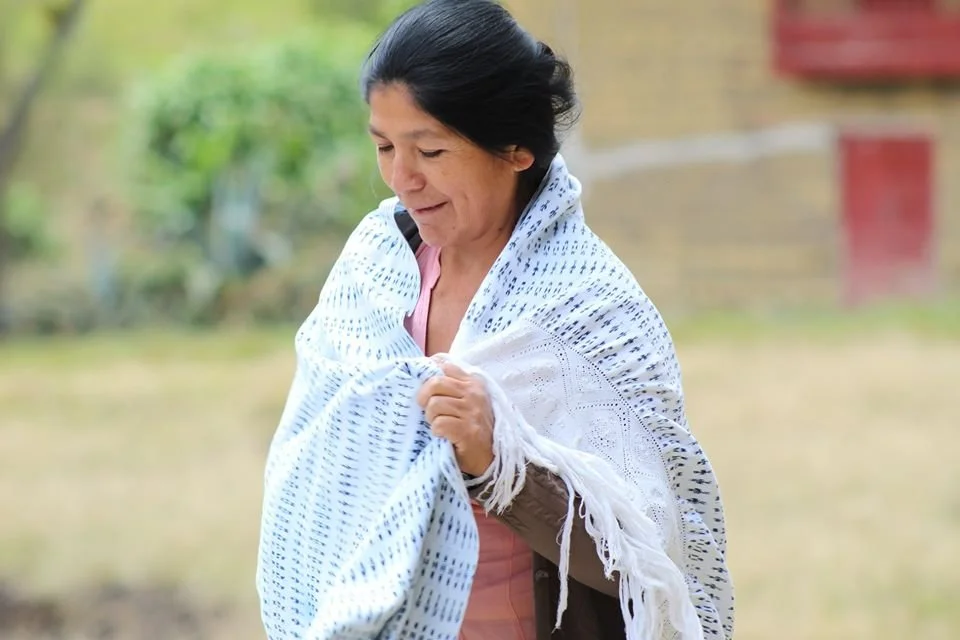
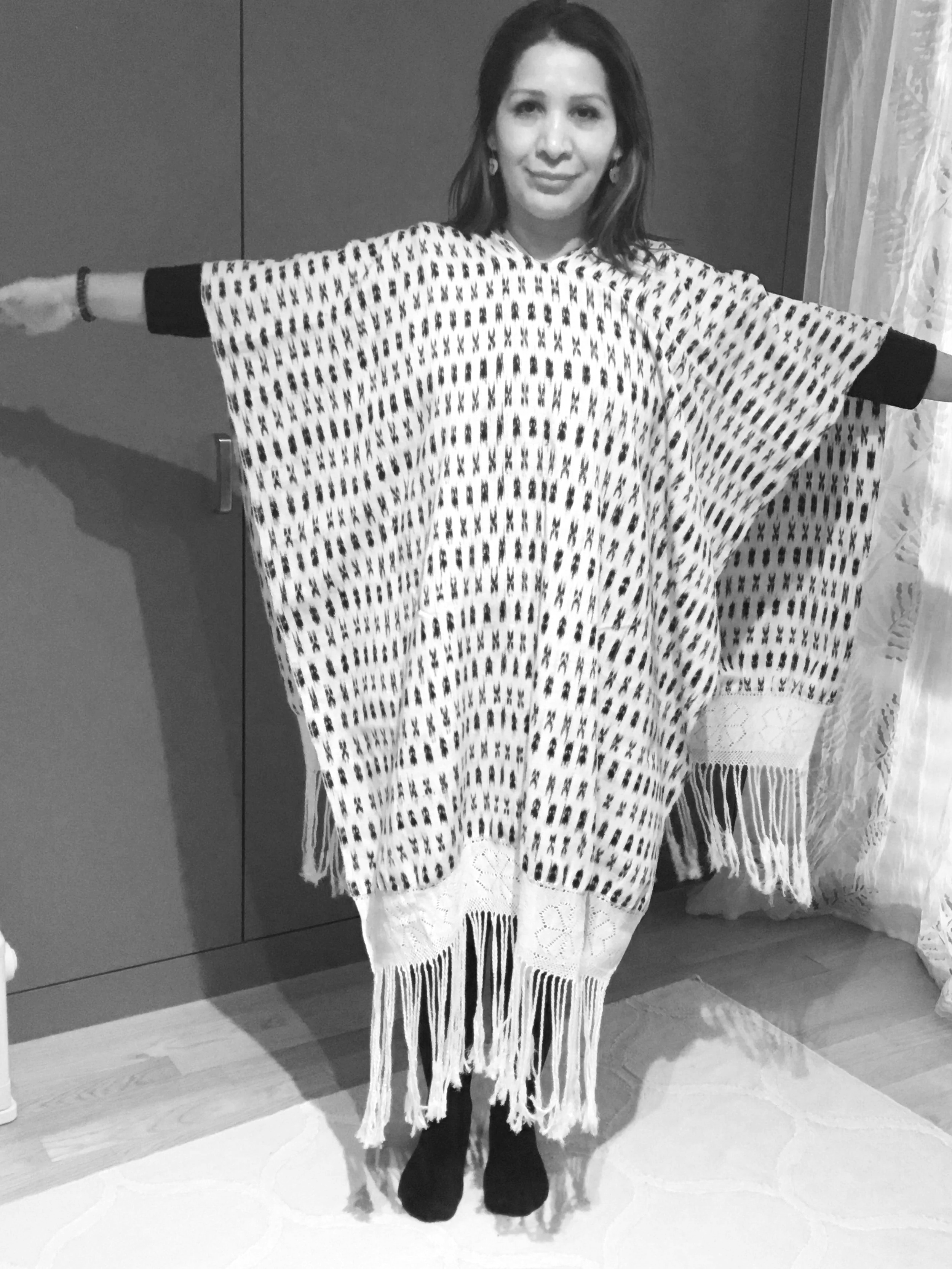
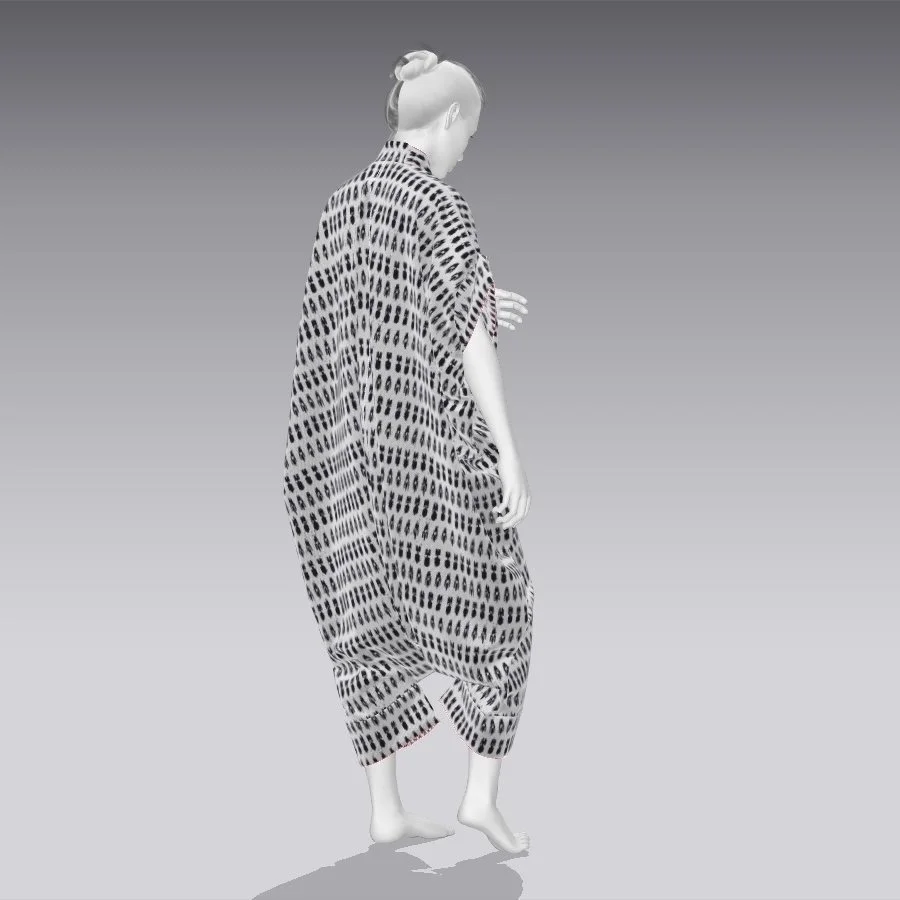
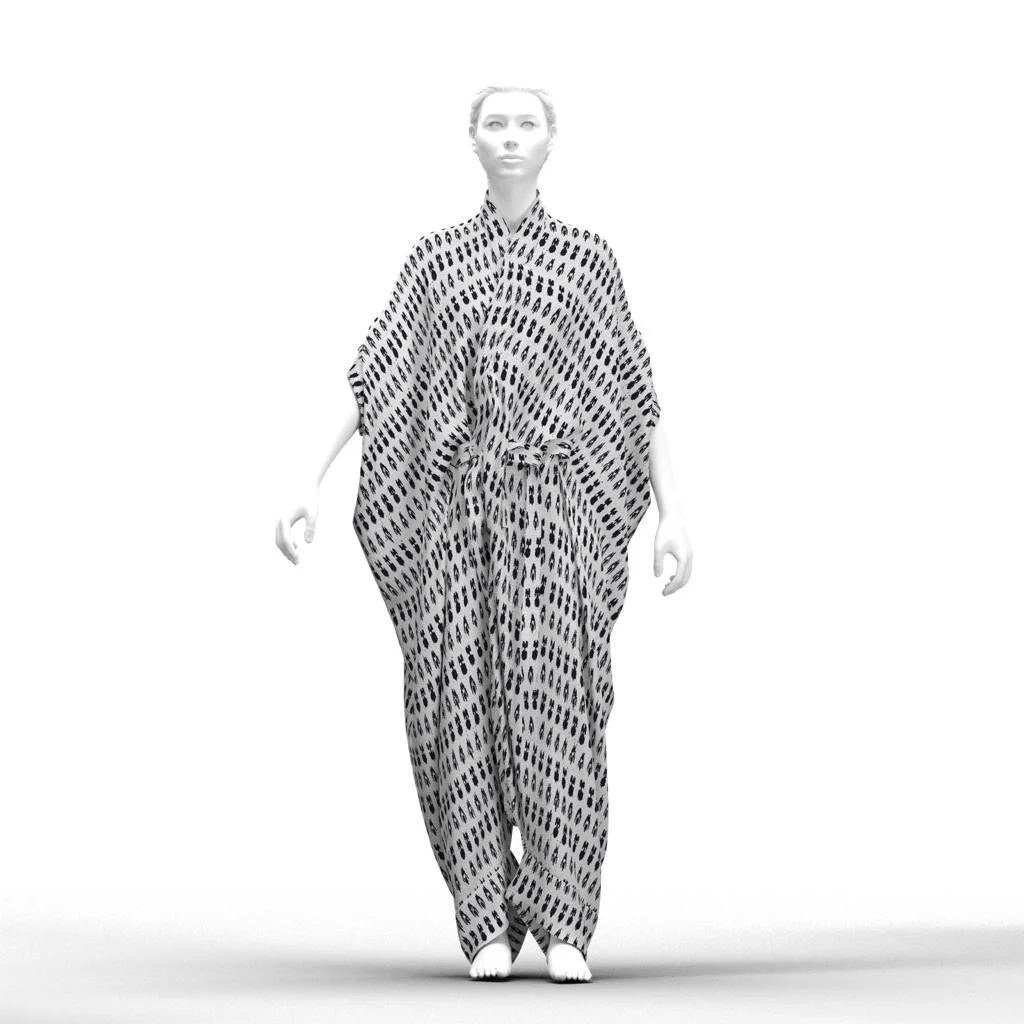
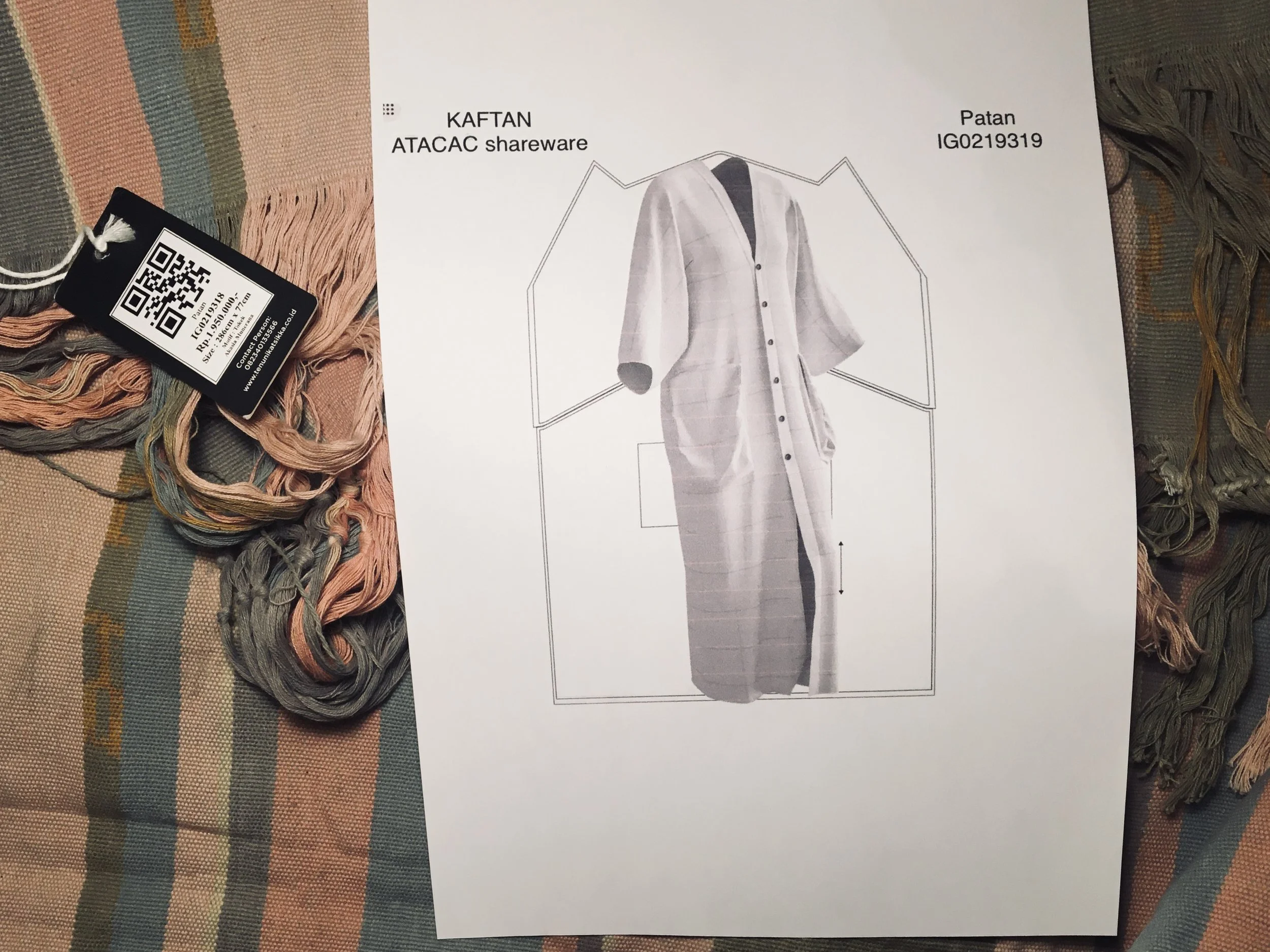
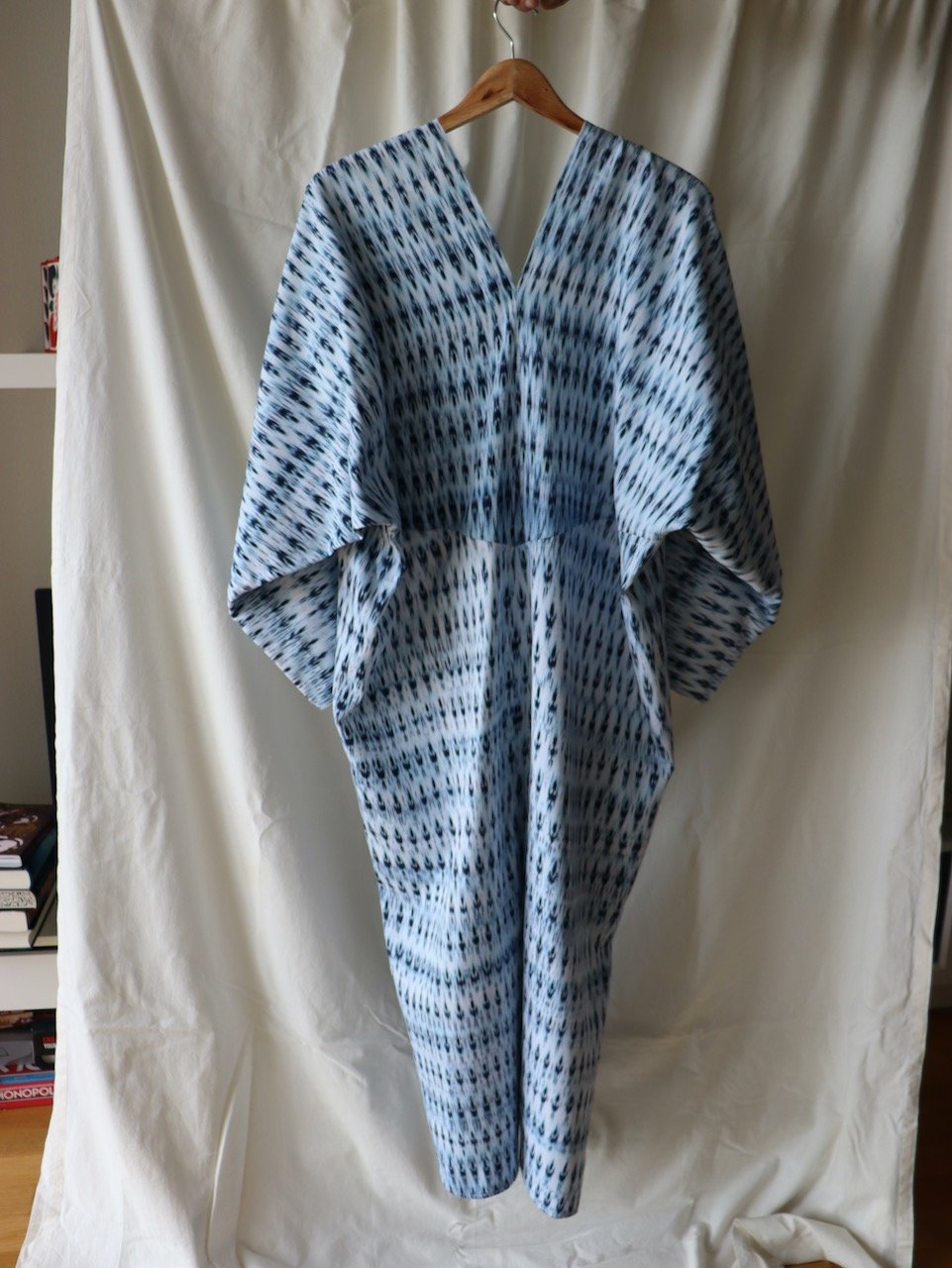
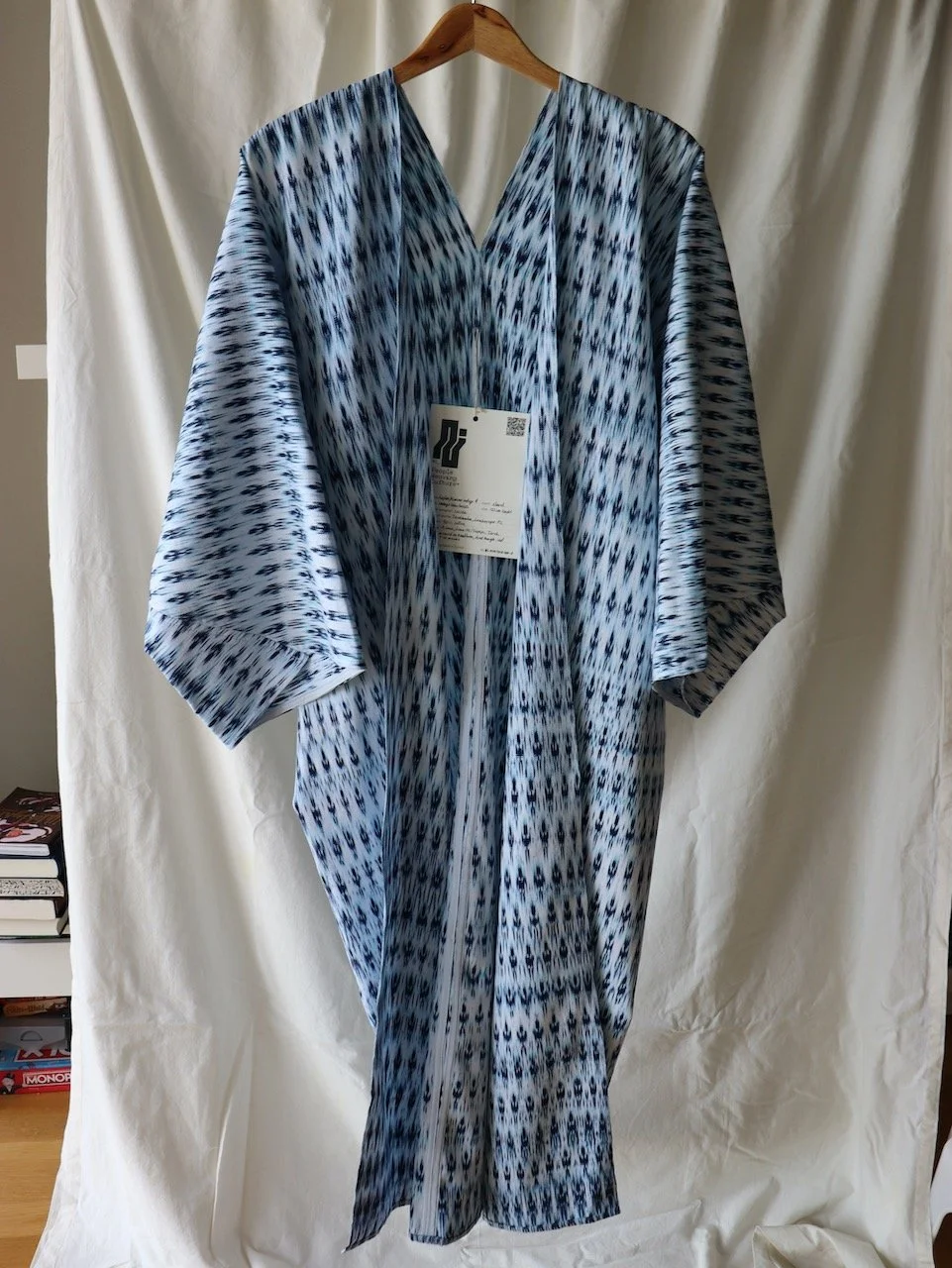
Collaboration with “Asociacion de Tejedoras Panon Tacabambino”, Tacabamba, Cajamarca
The Resulting Line
Woven Tales
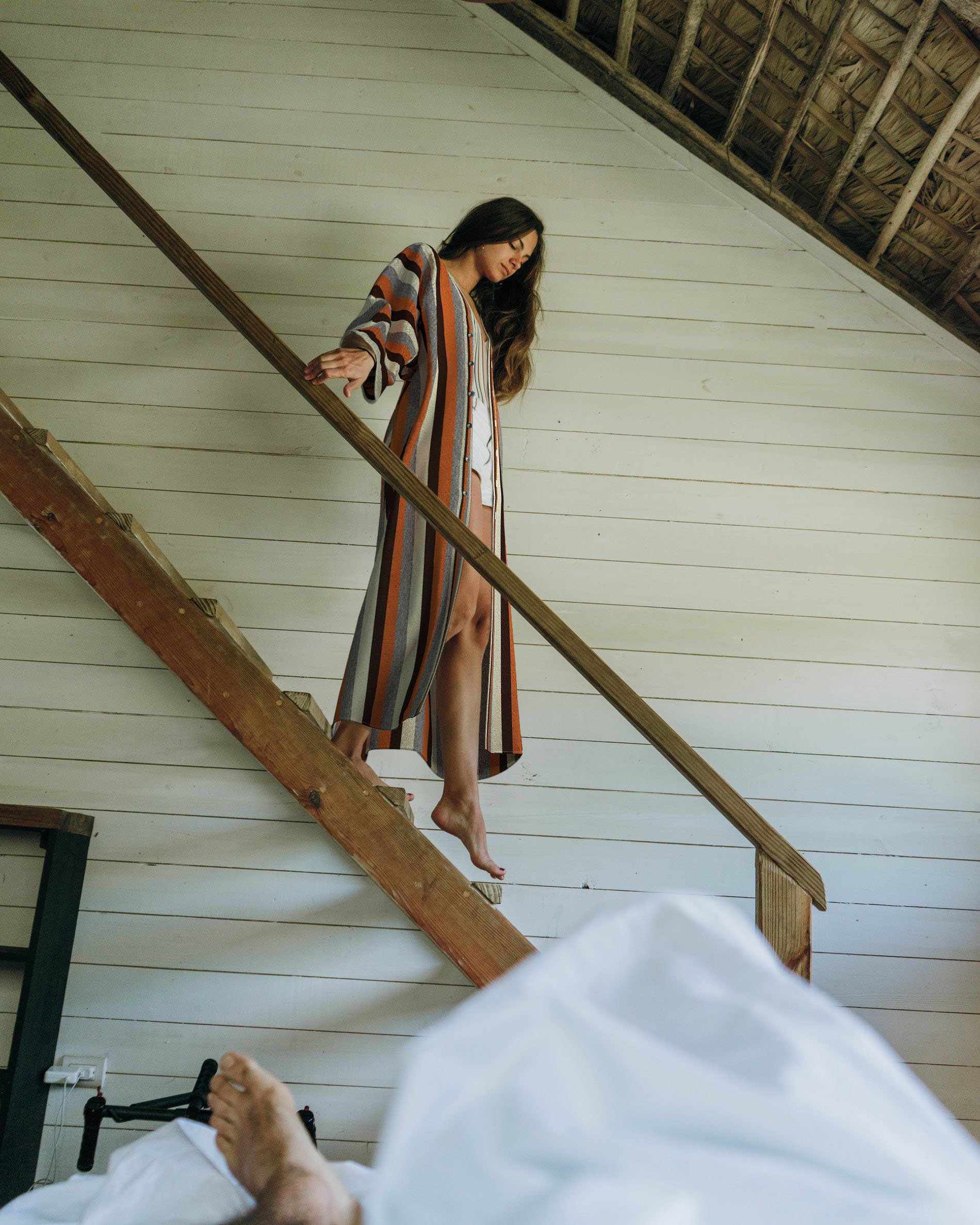
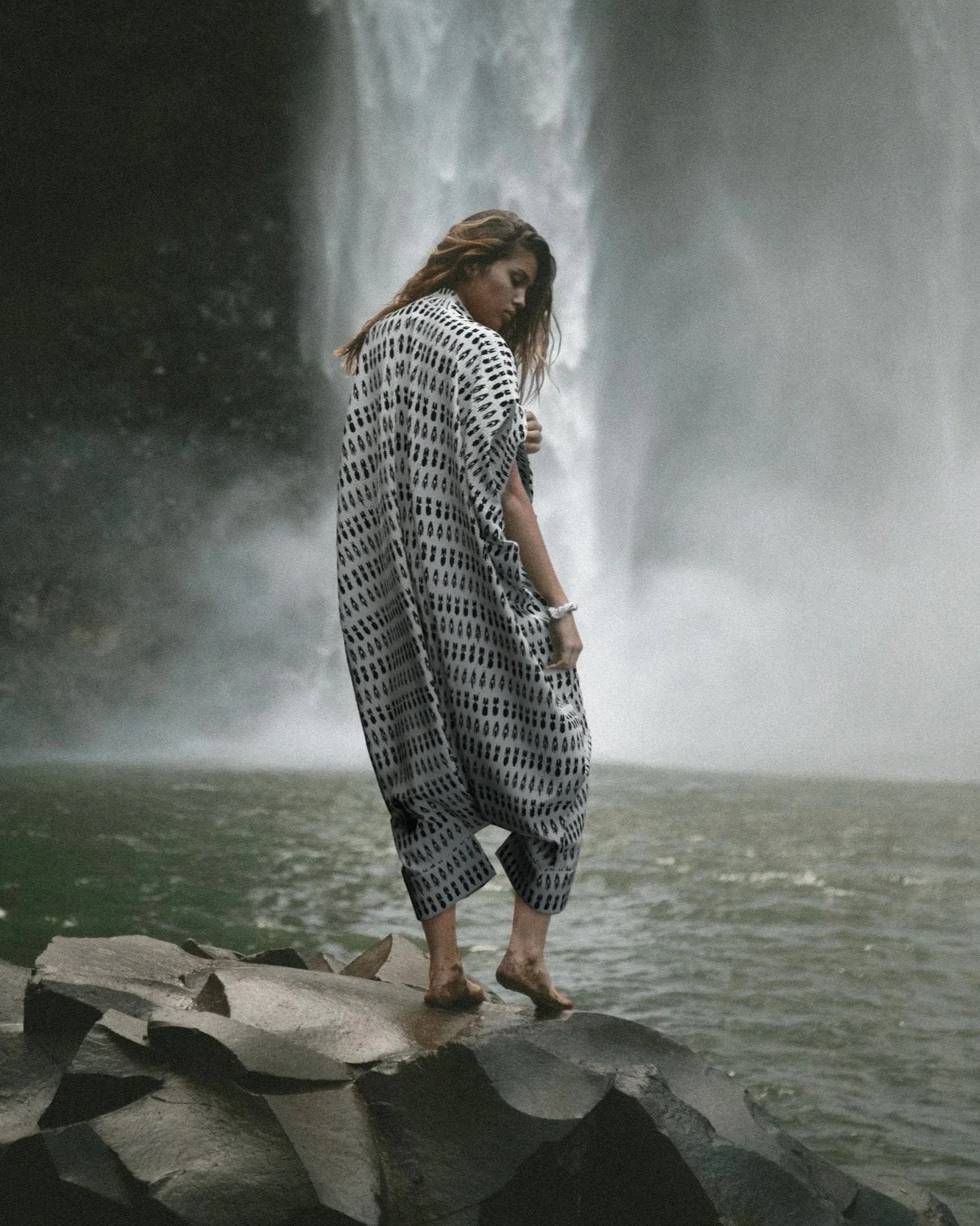
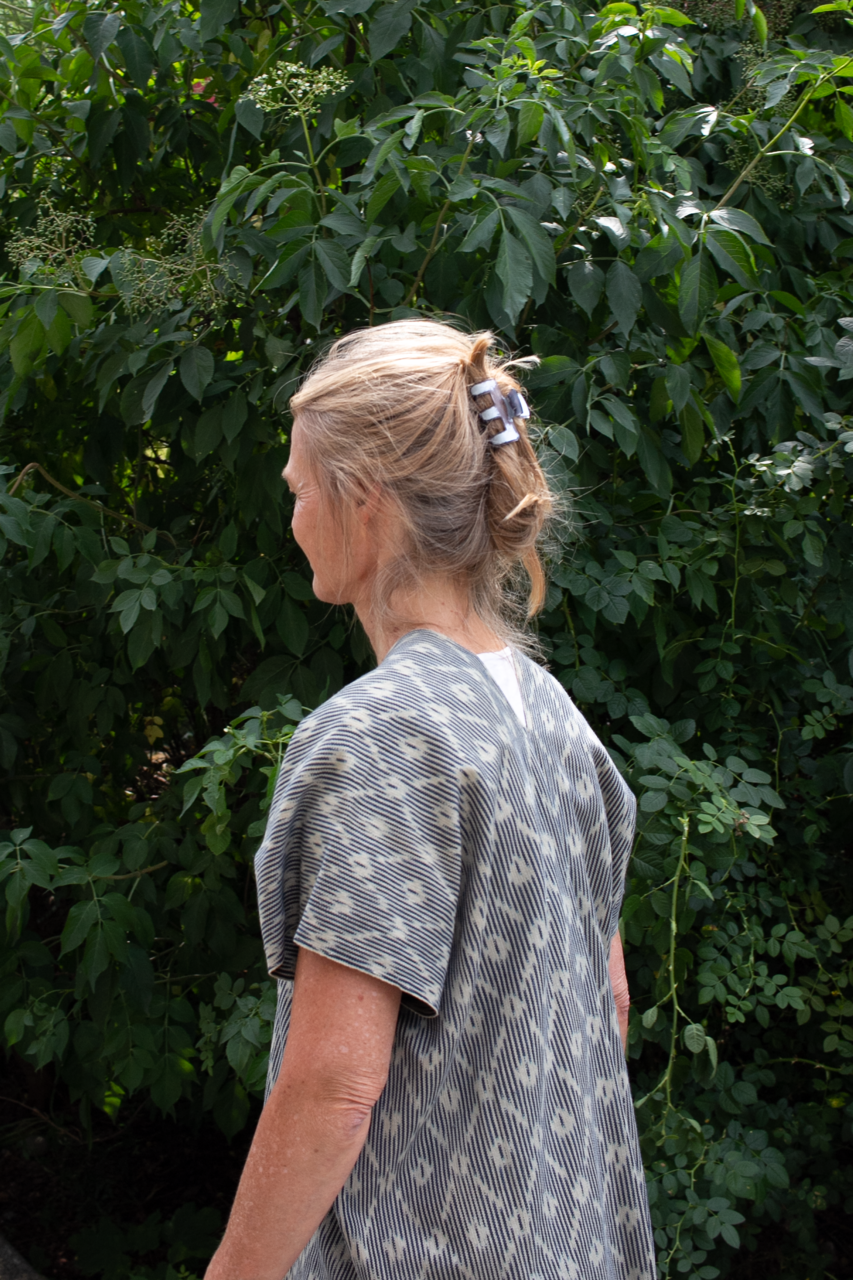
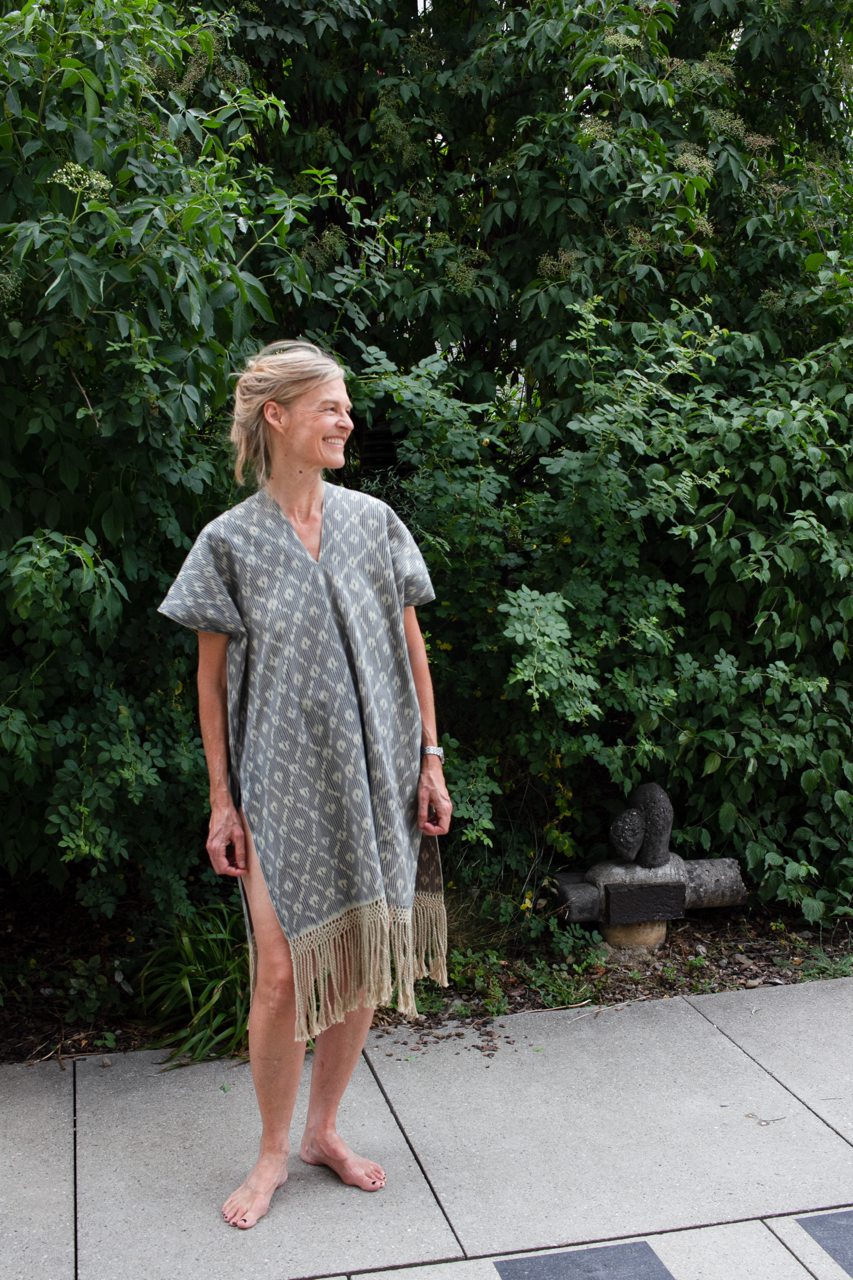
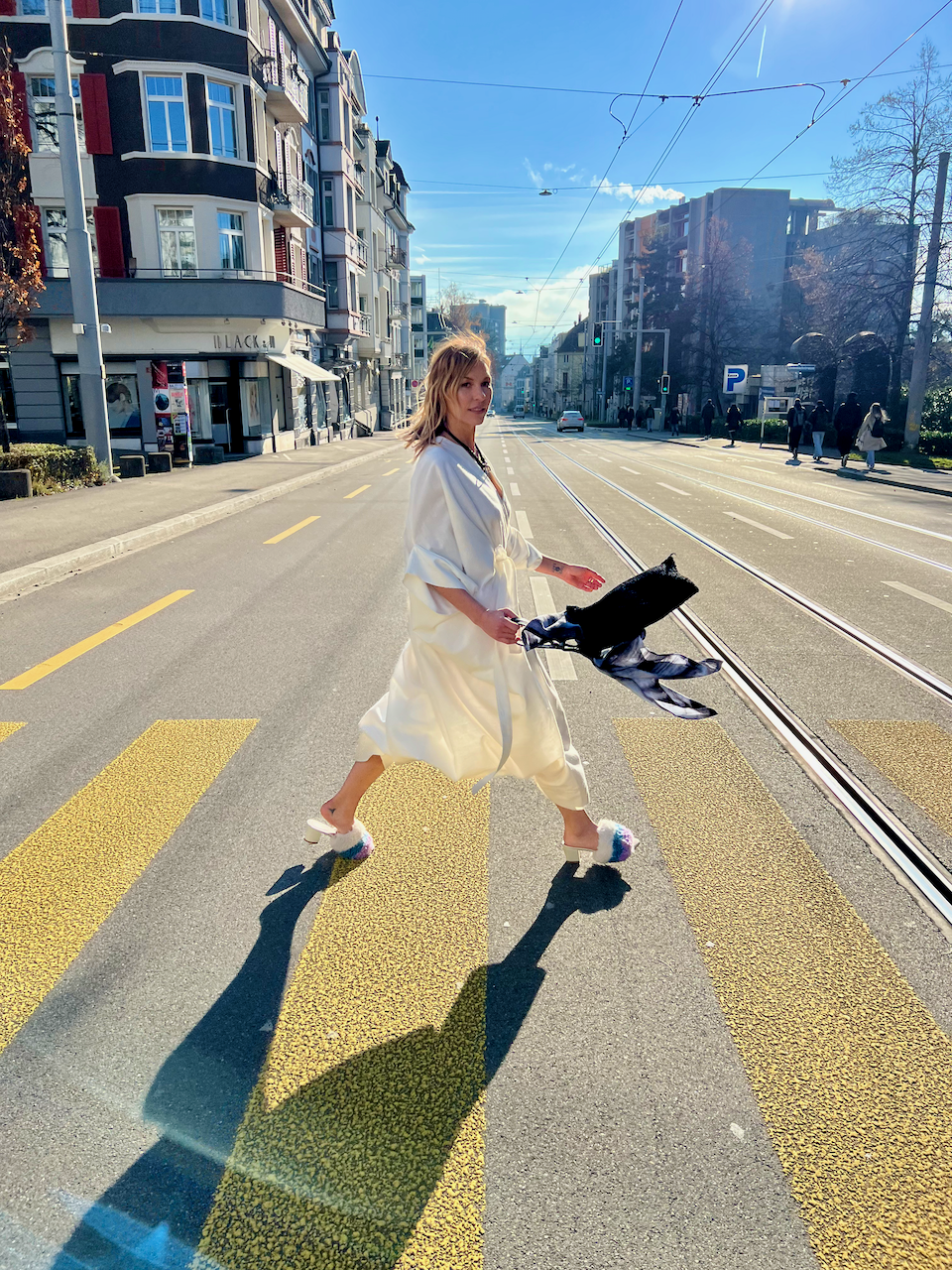
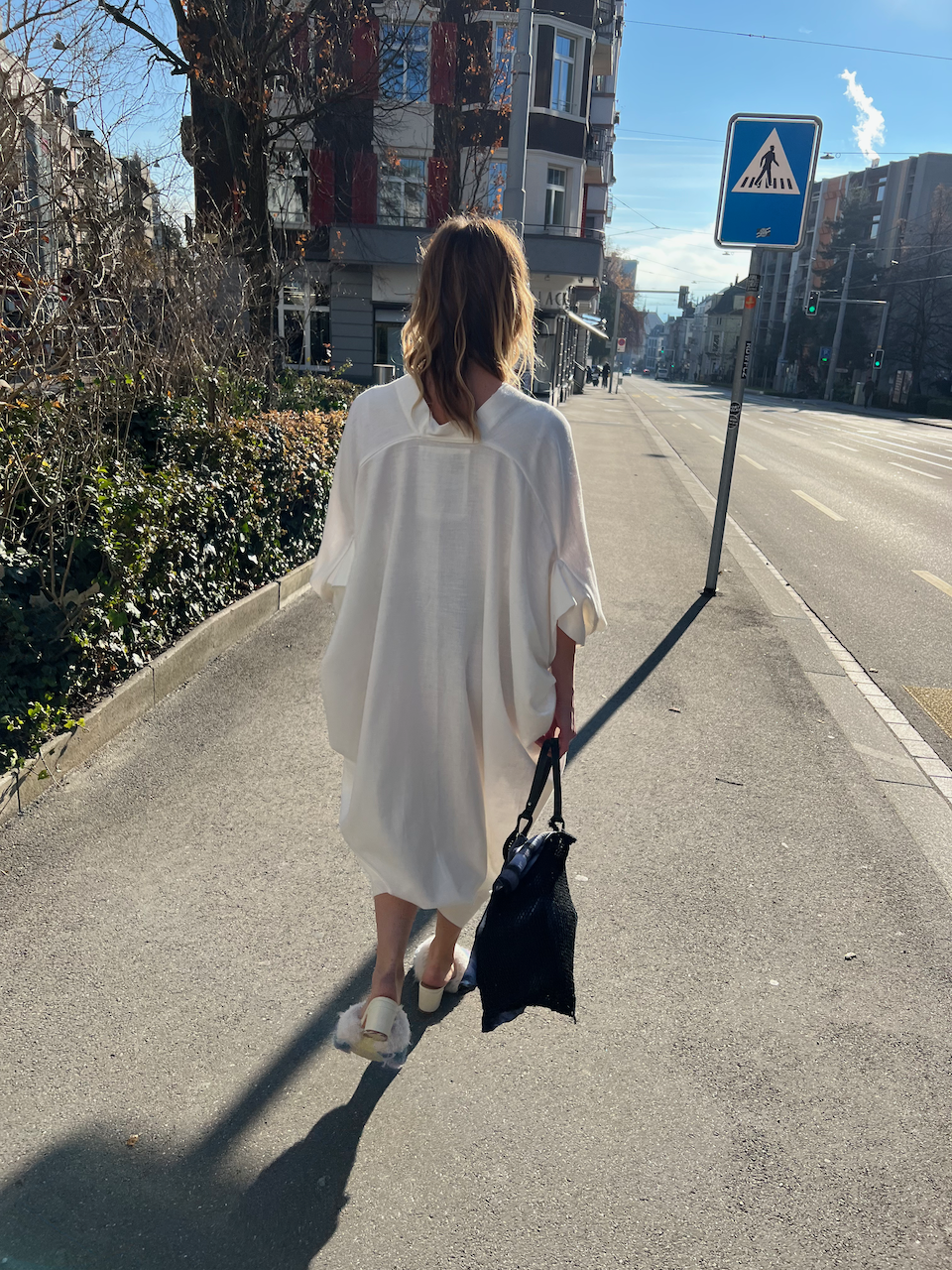
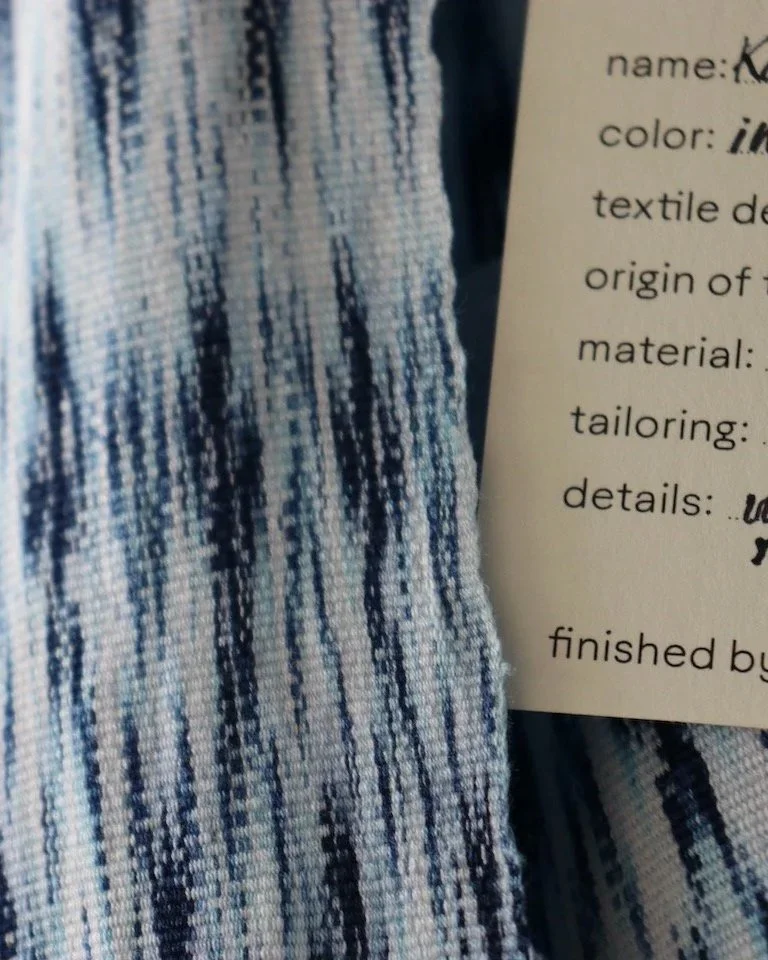
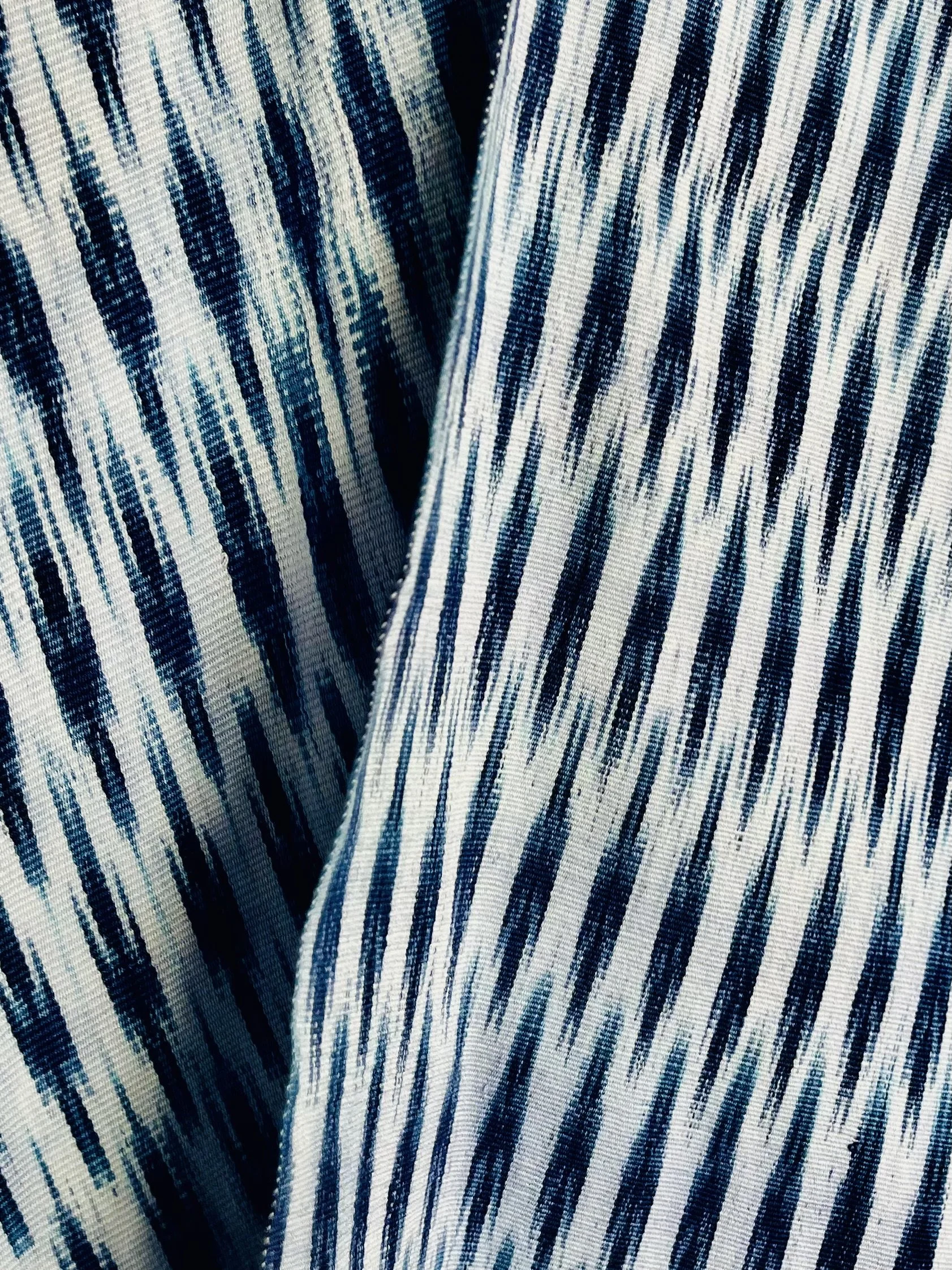
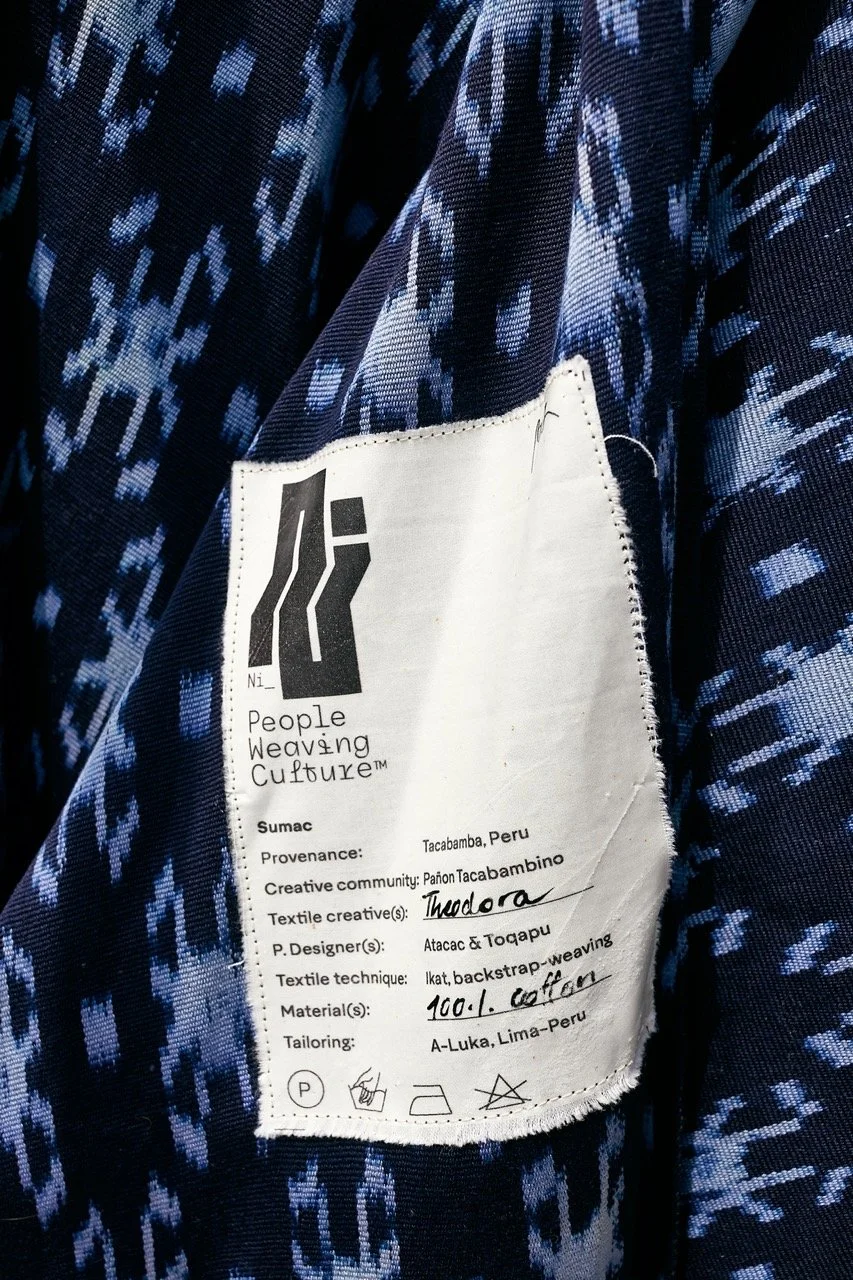
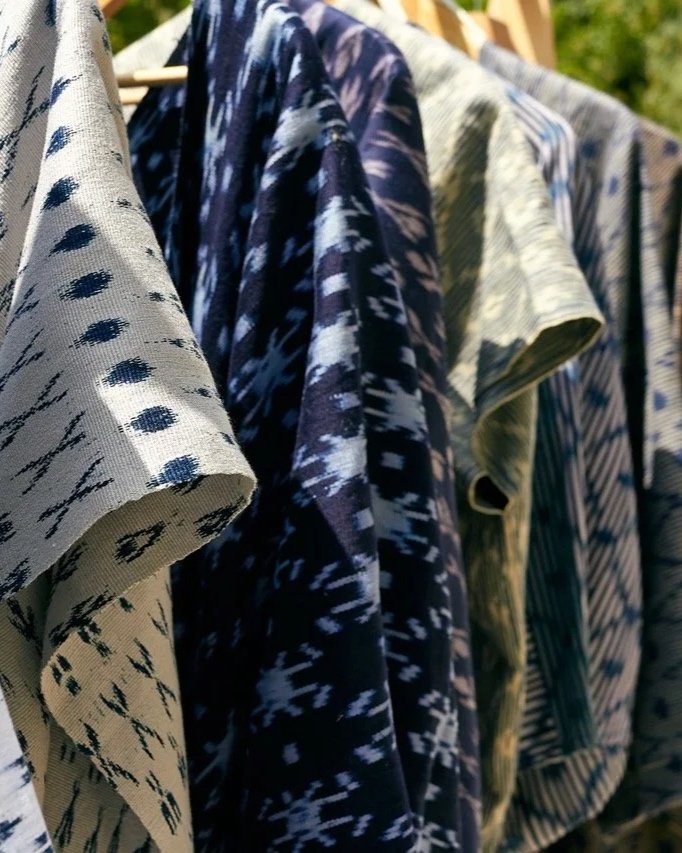
The resulting garments are not merely products; they are physical manifestations of a decolonial dialogue.
Each piece communicates its origin, rendering the individual author visible and deconstructing the archetype of the ‘anonymous producer’.

Academic & Systemic Impact (The Conclusion)
NI is situated at the intersection of Social Design, Intercultural Collaboration, and Sustainable Fashion. It provides a transferable standard for institutions and NGOs to design projects that are not only economically viable but also culturally sustainable.
“The goal is to place creatives of ethnic textiles out of the mere role of the producer and to propose the textile artist as the creative and co-stylist.” — Extract, Master Thesis (ZHdK, 2021)

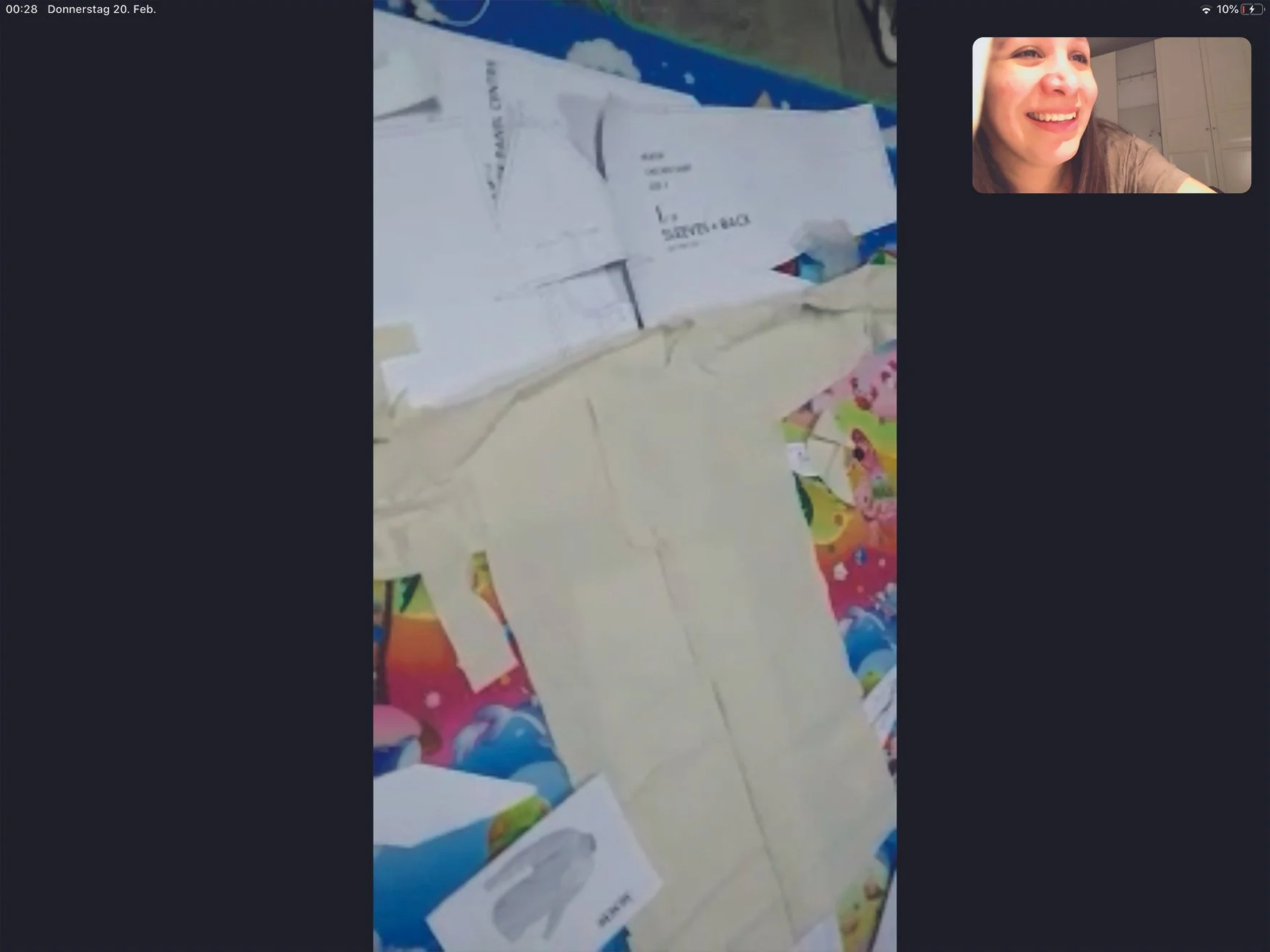
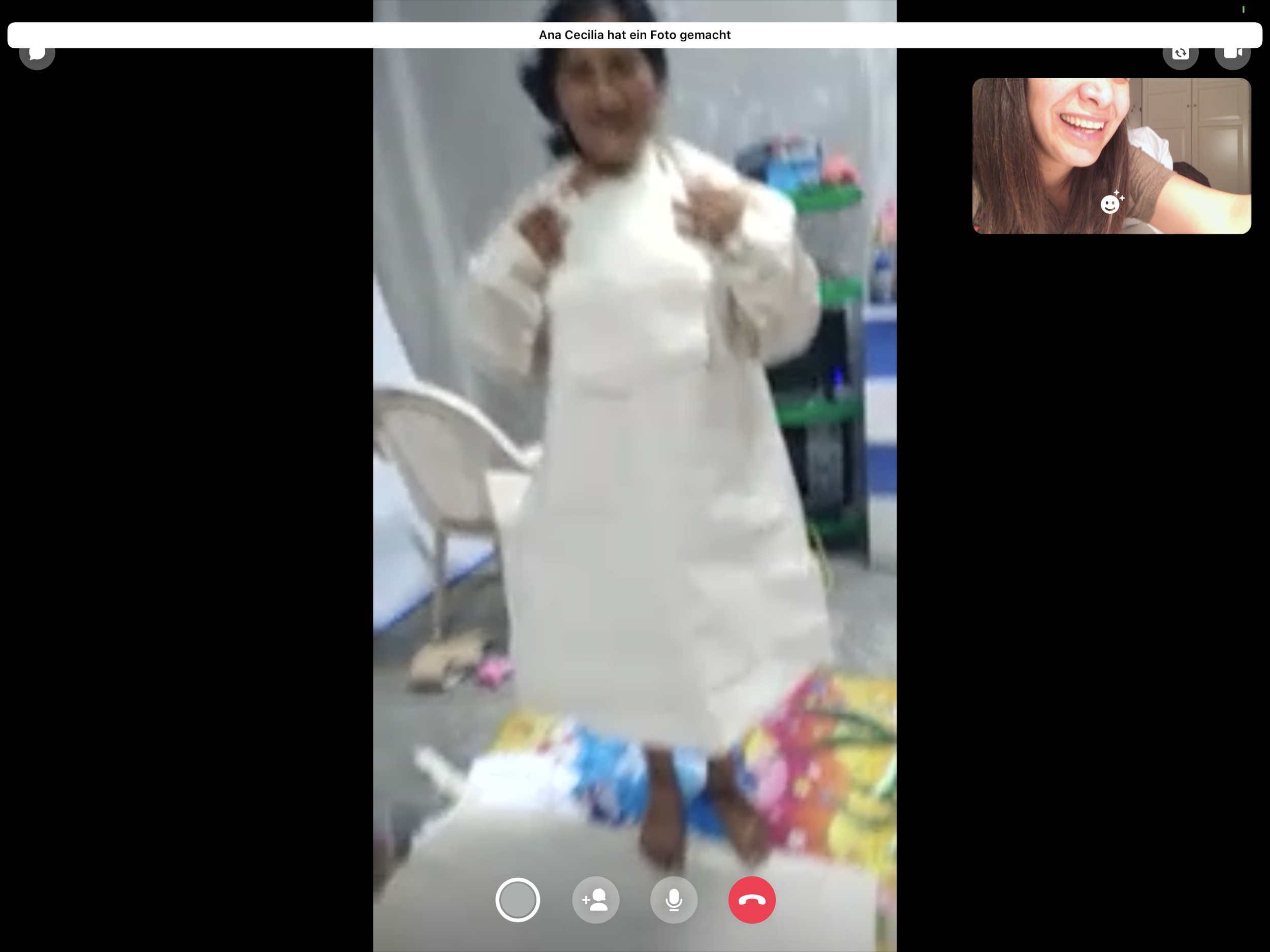
Collaboration with “Asociacion de Mujeres creativas de Incahuasi”, Incahuasi, Ferrenafe, Lambayeque, Peru.

Portrait of Mrs Laura Sánchez and some members of her association from Tacabamba, Catamarca, Peru. Photo by Darwin Llatas.